
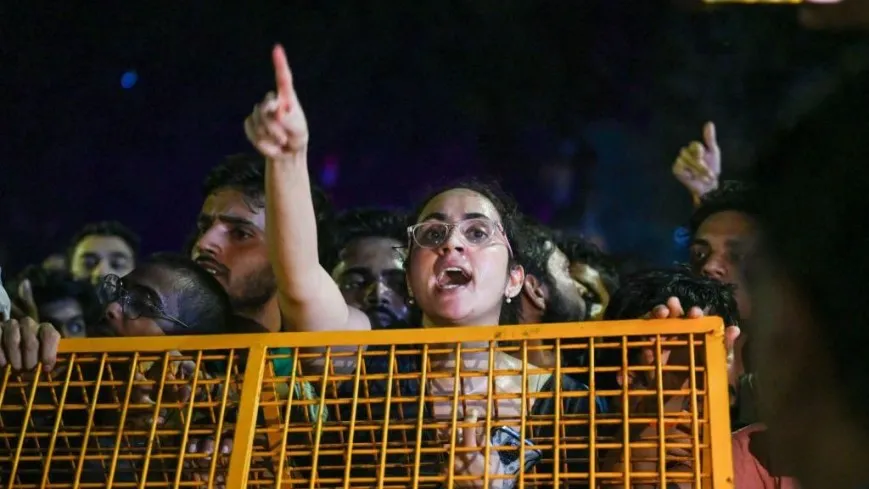
The tragic incident at a Delhi coaching centre that claimed the lives of three IAS aspirants has sparked nationwide outrage and calls for judicial intervention. The incident has triggered widespread protests among students and civil society, demanding accountability from the authorities. The Delhi government has announced a magisterial inquiry, while the MCD has sealed several illegal basements in the area. However, these actions are seen as too little, too late.
On July 27, 2024, a devastating flood in the basement of Rau's IAS Study Circle in Old Rajinder Nagar, Delhi, resulted in the deaths of three IAS aspirants: Tania Soni (25), Shreya Yadav (25), and Nevin Dalwin (28). The heavy rains led to severe waterlogging, and the basement, which lacked a proper drainage system, was quickly inundated. Despite efforts to rescue the trapped students, the rising waters led to their tragic demise.
The tragedy at Rau's IAS Study Circle highlights several regulatory lapses:
Illegal Basements: Many coaching centres in Old Rajinder Nagar operate from basements, which often violate Municipal Corporation of Delhi (MCD) norms regarding safety and occupancy. Despite regulations, enforcement has been lax, allowing unsafe conditions to persist.
Lack of Drainage Systems: The absence of proper drainage in the basement of Rau's IAS Study Circle was a critical factor in the tragedy. The coaching centre's owner admitted to not having installed a drainage system, leading to rapid water accumulation during heavy rains.
Negligence by Authorities: The incident has exposed the negligence of local authorities, who failed to ensure that safety norms were adhered to. Despite previous warnings and incidents, adequate measures were not taken to prevent such a disaster.
The Supreme Court of India has a history of taking suo moto cognizance of incidents that highlight gross negligence and endanger public safety. In 2019, the court intervened following a fire at a coaching centre in Surat that killed 22 students. The court's involvement led to stricter enforcement of fire safety norms and significant changes in building regulations for educational institutions. In 2020, the Supreme Court took suo moto cognizance of the Vizag gas leak, directing the National Green Tribunal (NGT) to monitor the situation and ensure compensation for victims. These instances underscore the court's proactive role in addressing systemic failures that result in loss of life.
Given the gravity of the incident and the apparent regulatory failures, there is a strong case for the Supreme Court to take suo moto cognizance. The court's intervention could ensure:
Accountability: Holding responsible parties, including coaching centre owners and regulatory authorities, accountable for negligence and lapses in safety protocols.
Policy Reforms: Mandating comprehensive reforms in the regulation of educational institutions, including stricter enforcement of safety norms and regular inspections.
Public Safety: Ensuring that similar incidents do not occur in the future by setting stringent guidelines and monitoring mechanisms for coaching centres and other educational establishments.
At Intelegal, we believe that judicial intervention is crucial to address the systemic issues that lead to such tragedies. The court's suo moto cognizance can ensure immediate action and long-term reforms to protect the lives of students.
Mandatory Safety Audits: Regular and mandatory safety audits of all coaching centres and educational institutions, with strict penalties for non-compliance.
Transparent Regulatory Mechanism: Establishing a transparent regulatory mechanism that involves independent agencies to oversee the implementation of safety norms.
Public Awareness Campaigns: Initiating public awareness campaigns to educate students and parents about the importance of safety standards and their rights to a safe learning environment.
Accountability and Compensation: Ensuring accountability for regulatory authorities and providing adequate compensation to the victims' families.
The tragic loss of young lives in Delhi should serve as a wake-up call for the authorities and the judiciary to take decisive action. The Supreme Court's intervention can pave the way for safer educational environments and prevent such incidents in the future.